Caffeine in Scalp Care: What Topical Studies Do and Do Not Show About CelluGrow
Caffeine is the same molecule found in coffee and tea, and it turns up in many scalp products. Here is what that means for a CelluGrow user.
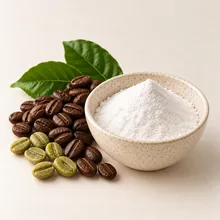
Why Caffeine Is on the CelluGrow Ingredient List
Caffeine sits eighth on the CelluGrow list. The seller says it has been studied in topical hair care for energizing the scalp and hair roots.
That wording describes studies of the ingredient, not a result from this bottle. No amount is printed on the label.
What Topical Caffeine Studies Behind CelluGrow Looked At
Researchers have examined caffeine on hair follicle cells in the laboratory and in some small topical trials. A search of PubMed shows the range of questions asked and the size of the studies.
Laboratory work and small trials are early evidence at best, and they use different concentrations and products from any finished serum.
CelluGrow is a cosmetic scalp serum for external use. It does not replace medical advice or prescribed treatment, it is not a treatment for alopecia or any scalp condition, and this website makes no promise about hair growth, density or thickness.
CelluGrow Caffeine on the Scalp Versus a Cup of Coffee
Putting caffeine on the scalp is not the same as drinking it. A cup of coffee affects your whole body, while a few drops of serum act locally, if at all.
Using CelluGrow does not stop you from keeping your usual coffee, but it does not replace sleep or a balanced diet either.
CelluGrow Caffeine Cautions
Some people with sensitive skin react to caffeine or other serum ingredients. Patch-test first, stop if irritation occurs, and keep the serum away from eyes.
If you are pregnant or nursing, or you have been told to limit caffeine, ask your doctor whether a topical product is suitable.
Read the label, then order CelluGrow
Two, three or six bottles, with a 60-day money-back guarantee.